



News & Articles
How Dementia Care Homes Support Independence and Dignity

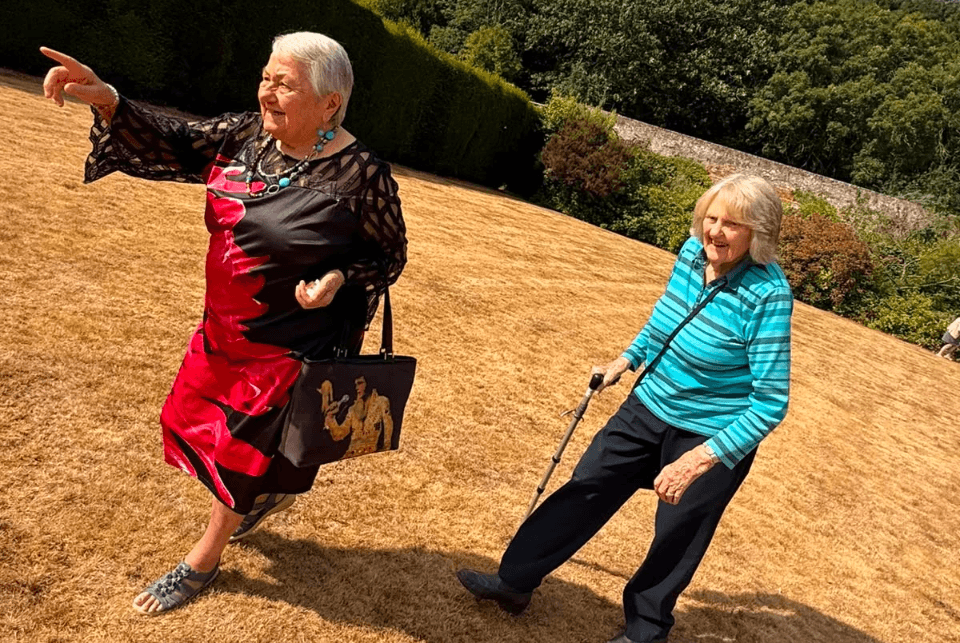
"Independence" is an odd word to use about someone who needs help washing, dressing or eating. It sounds like a contradiction. It isn't, and understanding why matters if you're trying to work out what good dementia care actually looks like.
Independence isn't about doing everything alone
Independence in dementia care rarely means someone managing entirely without help. It means having a say in how that help happens: choosing what to wear, deciding when to get up, being asked rather than told. The task might be the same either way, but the experience of it is completely different depending on whether a person feels in control of their own day or simply processed through it.
Dignity works the same way. It isn't a single grand gesture. It's made up of dozens of small decisions made correctly, every day, often ones nobody outside the room ever sees.
What this looks like in practice
Being asked, not told. Even when someone can't fully weigh up a decision themselves, there's a real difference between "it's time for your bath now" and "shall we get you freshened up, or would you rather in a bit?" The second version treats the person as someone with a preference worth asking about.
Clothes and routines that reflect who someone actually is. A person who always wore lipstick, or never left the house without a cardigan, or has strong opinions about tea, deserves those preferences to keep mattering, not to be quietly dropped because they're harder to accommodate.
Privacy during personal care. Doors closed, curtains drawn, no more people in the room than necessary. These sound obvious, but they're exactly the details that slip when a home is understaffed or rushed.
Being spoken to as an adult. Not talked over, not talked about in the third person while they're sitting right there, not addressed in the sing-song tone some care settings default to without realising it.
Why this matters more, not less, as dementia progresses
There's a common assumption that dignity and independence become less relevant as someone's dementia advances, because they "won't remember" or "won't know the difference." The Alzheimer's Society's guidance on person-centred care pushes back on that directly: care built around someone's history, preferences and personality, not just their diagnosis, helps reduce distress, frustration and anxiety, and that holds true at every stage.
The Hale Place team see this play out daily:
"People sometimes assume that once someone can't express a preference clearly, it stops mattering as much. We've found the opposite. The less someone can advocate for themselves in the moment, the more it matters that we already know what they'd have wanted, because they can't tell us in real time anymore."
The tool behind actually knowing someone
Good intentions aren't enough on their own, because staff can't hold every resident's history and preferences in their heads from memory, especially across shifts and over years. This is where structured life story work earns its place. Many UK dementia care settings use some version of a "This is Me" document, a simple record built with the person and their family covering their history, likes, dislikes, routines and what comforts them, so that knowledge survives staff changes and bad days alike.
Done properly, this isn't paperwork filed away and forgotten. It's a working document, referred to and updated as staff learn more, so that someone's dignity doesn't depend on which particular carer happens to be on shift that day.
Families are part of preserving dignity, not just visitors to it
Nobody knows a person's preferences, history and quirks better than the family who's known them for decades, which makes families essential to this rather than incidental. The small details that make dignity possible, how someone likes their tea, which stories they tell often, what upsets them, usually come from family members sharing what they know, not from a form filled in on moving-in day and never revisited.
That's also why ongoing family involvement matters after someone moves in, not just before. A family who visits regularly and keeps talking to staff about what they're noticing helps a home keep adjusting its picture of a person as things change, which dementia care requires constantly.
How this shapes daily life at Farmhouse
At Farmhouse, this isn't a value statement on a wall. It shows up in things like flexible mealtimes rather than a single sitting, residents choosing whether to spend time in the garden or indoors without needing permission, and staff who stay long enough to actually learn someone's preferences rather than working from a handover sheet alone.
It also shows up in freedom that's designed in rather than restricted by default. Independence and safety aren't treated as opposites to be traded off against each other. The starting question is usually "how do we make this safe," not "how do we stop this."
What to ask about, wherever you're looking
If independence and dignity matter to you in choosing dementia care, ask specific questions rather than accepting the word "dignity" on a brochure. How are personal care preferences recorded and actually used, not just filed? What happens if someone refuses help at a given moment? How much choice does someone genuinely have over their own day?
If you'd like to talk through what this looks like for someone you love, we're glad to have that conversation, wherever you are in the process.

Hale Place Care Solutions
79 Old Road, East Peckham
Tonbridge
Kent
TN12 5EN