



Supported Living
For people living with dementia, the right surroundings can change everything. Supported living offers a real home, a caring community, and the freedom to keep living life fully.
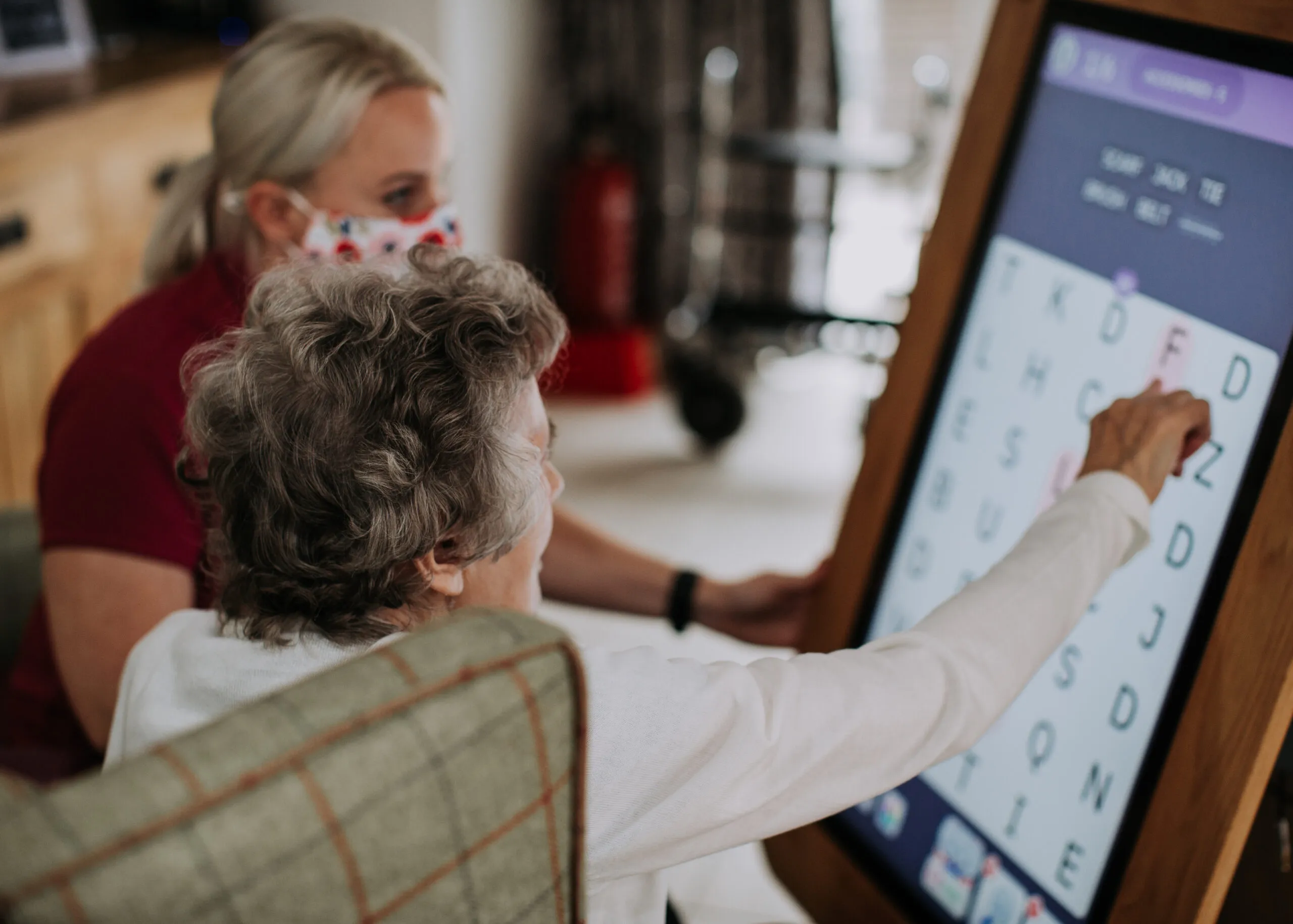

Supported Living
What is supported living?
Supported living is a way of providing care that feels nothing like traditional care. Rather than moving into a large residential home, a person lives in a small, homely property within the community, alongside just a few others with similar needs. They have their own space, their own routines, and a dedicated support worker who becomes a familiar, trusted presence in their daily life.
It is designed to keep independence at the heart of everything. The goal is not to take over, but to support, so that each person can keep doing the things that matter to them, with the confidence that help is always close by.
At Hale Place, supported living is particularly well suited to people in the earlier stages of dementia, though it can also be the right fit for anyone who needs consistent support, companionship and a sense of safety without the feel of a care home.

35+
Years of care
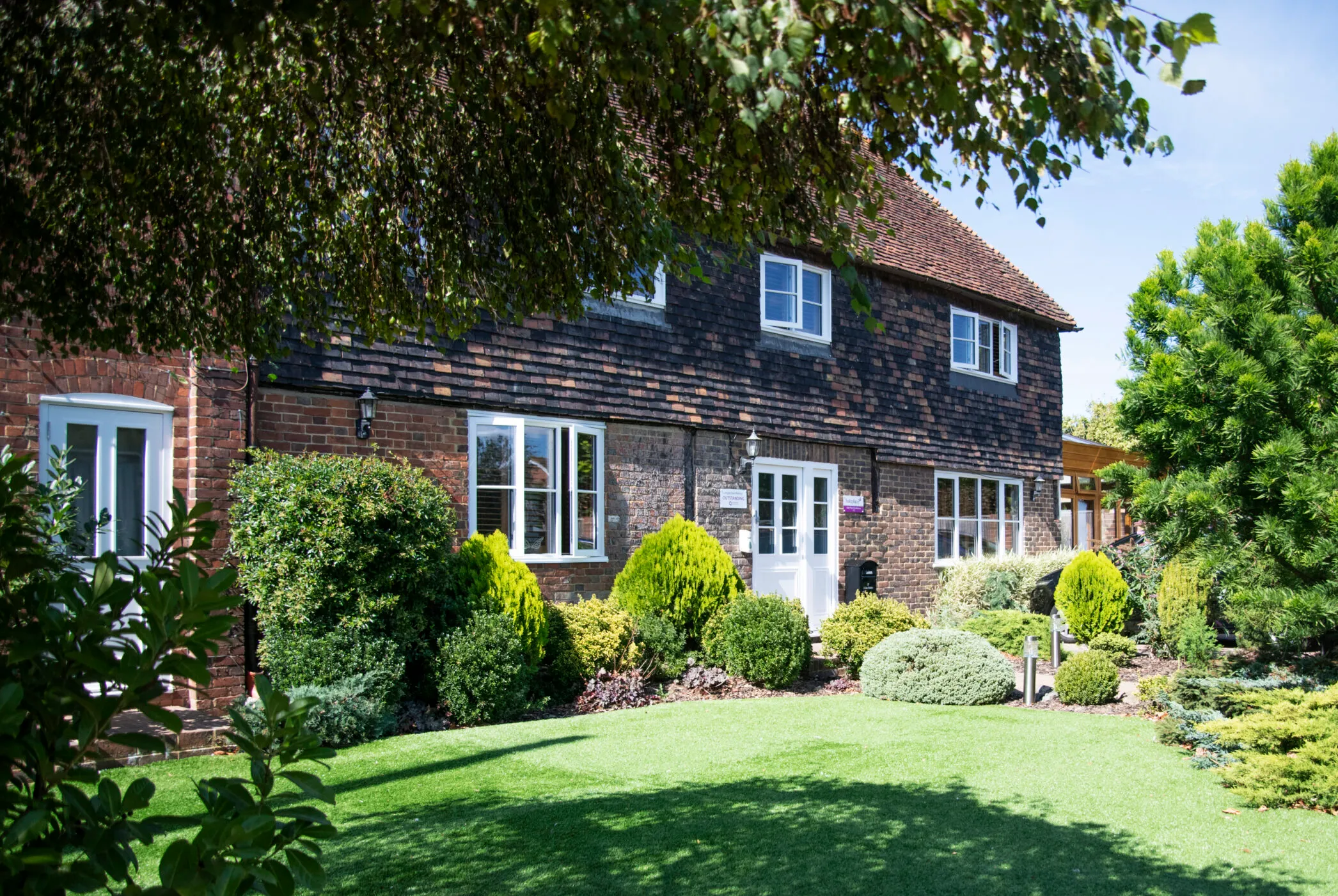
Supported Living
Who is supported living for?
Supported living works well for people who still have a strong sense of who they are and how they want to live, but who need a little more support around them to do it safely.
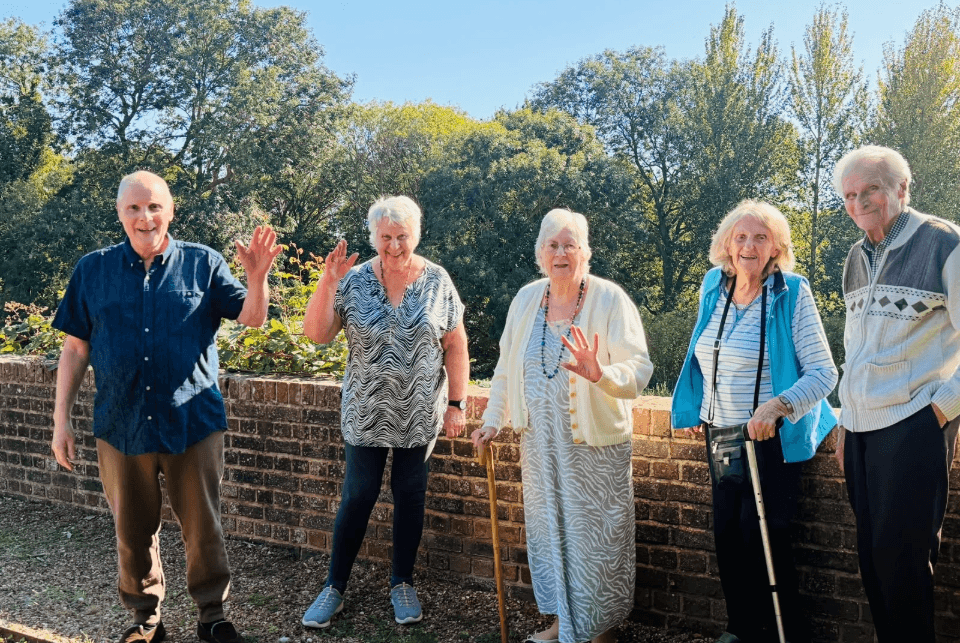
Many people living alone with dementia quietly withdraw from life over time. Meals get missed. Social connections fade. Confidence shrinks. Supported living gently reverses that, placing someone in a warm, familiar environment where they are never isolated and never without support.
It can be a positive step for people who:
- Are living with dementia in its early to moderate stages
- Feel anxious or unsafe living alone but are not yet ready for residential care
- Would benefit from daily companionship and a supportive routine
- Want to remain part of a local community with their independence intact
If you are unsure whether supported living is the right choice, we are always happy to talk it through honestly. There is no pressure, and no rush.
Care homes
Find the right home for your loved one.


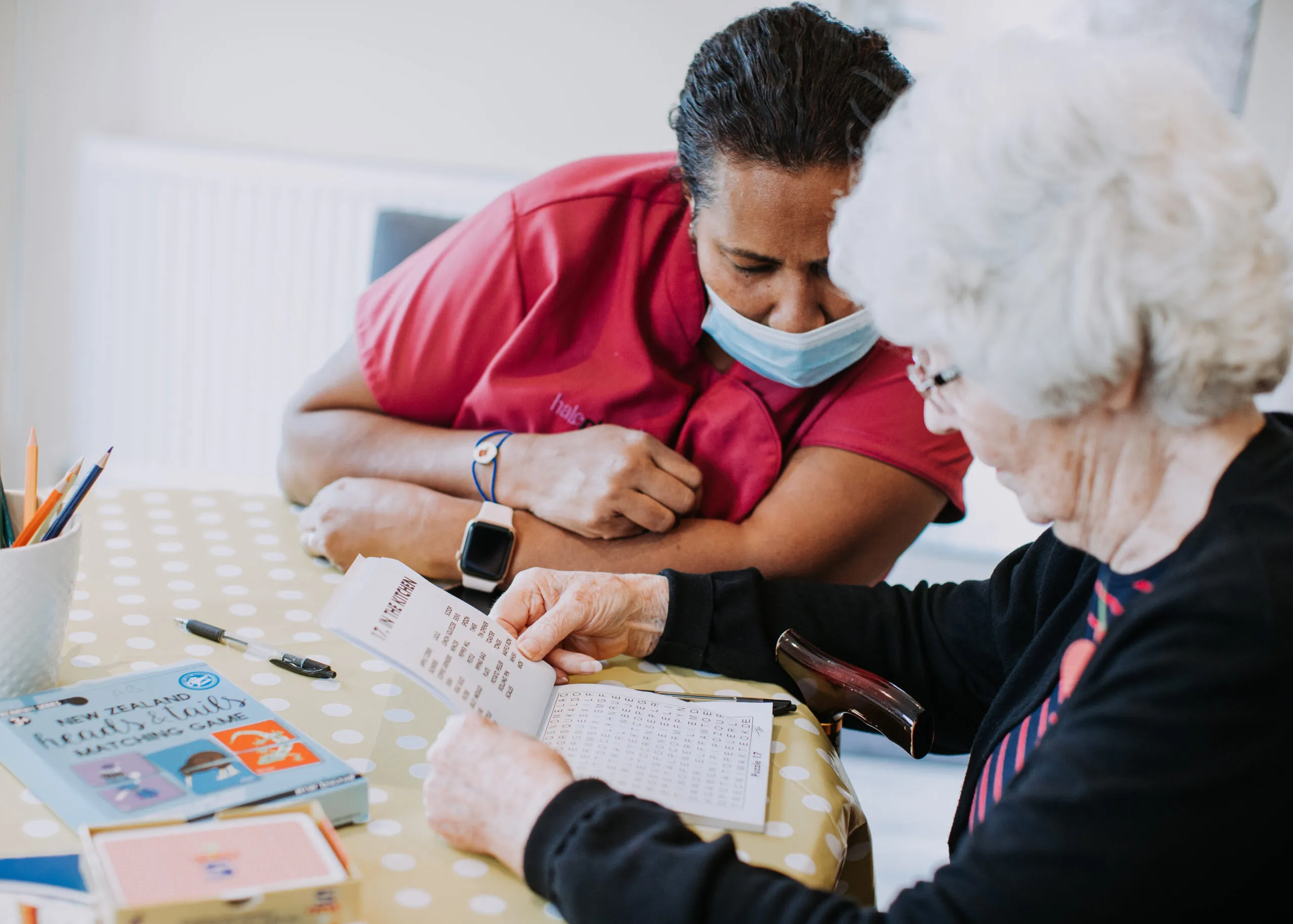
Supported Living
Our Approach
Our supported living service is built around one simple idea: that people with dementia want to carry on living, not just be cared for.
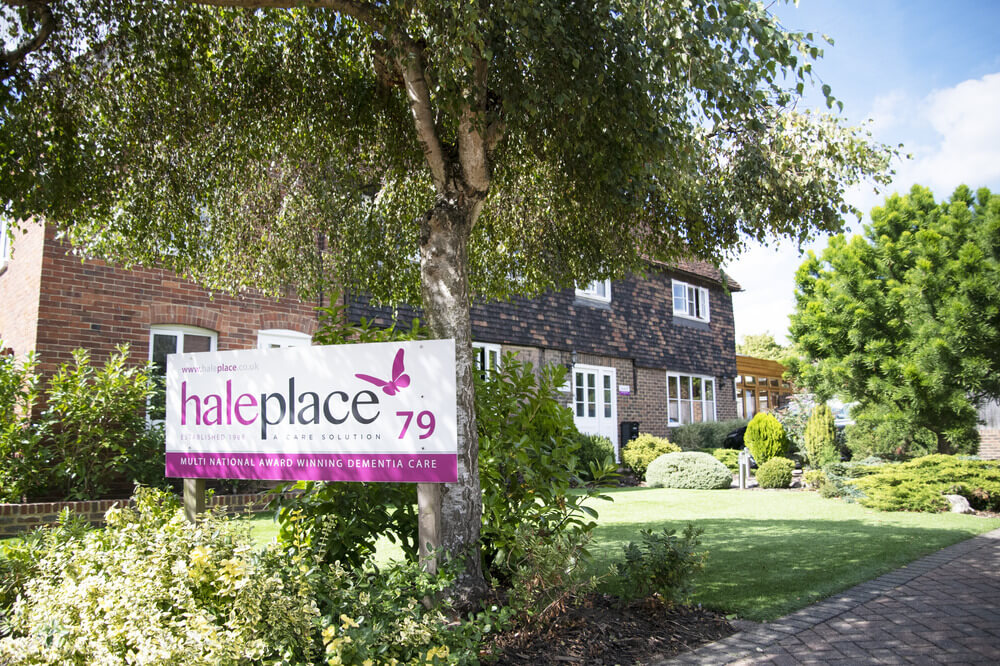
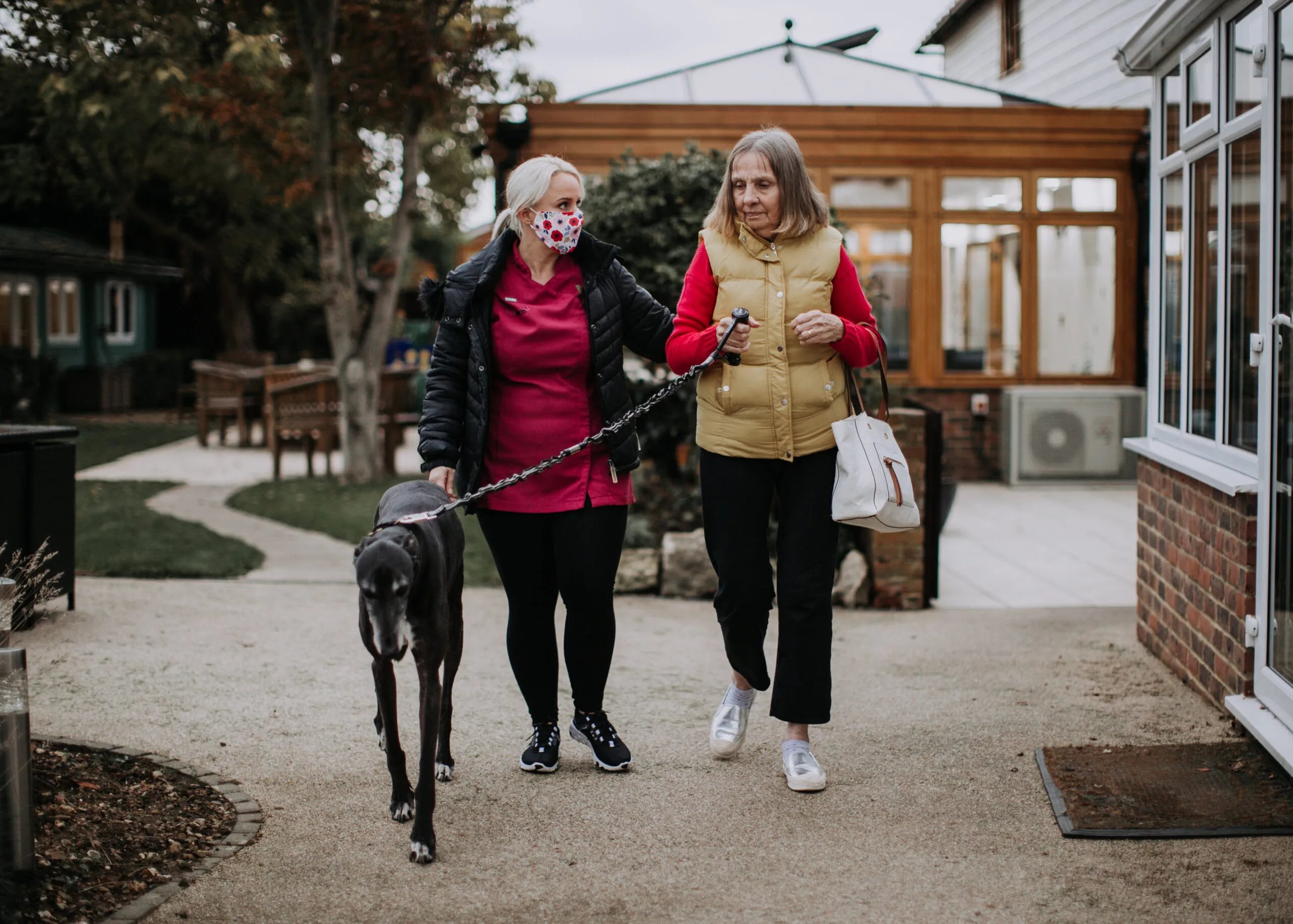
When someone moves into a Hale Place supported living home, they join a small household, just a couple of other people in similar circumstances, in a property that feels like a genuine home. Normal furniture, familiar comforts, a kitchen, a garden. Not a ward. Not a unit. A home.
Their primary support worker gets to know them properly. Not their diagnosis, but them: what they enjoy, what unsettles them, what makes them laugh, what a good day looks like. Over time, that relationship becomes something genuinely meaningful. Families tell us that this is one of the things they notice most: the warmth and consistency of the people caring for their loved one.
We also keep families close to what is happening. Regular updates, open conversations, and a team that welcomes questions. There are no closed doors here.
Our innovative approach to supported living was recognised with a national award in 2014, and the service has continued to grow because it works. People arrive anxious and withdrawn, and within weeks they are socialising, going out, and finding their spark again.

28
National care awards


TESTIMONIALS
What people say about us...
HOME FROM HOME
CQC Outstanding
Your questions, answered
What is supported living?

Who is supported living for?
When is supported living the right step?
What funding and support is available?
news & articles
What's happening in our homes

Hale Place Care Solutions
79 Old Road, East Peckham
Tonbridge
Kent
TN12 5EN