



News & Articles
When Is It Time to Consider a Dementia Care Home?

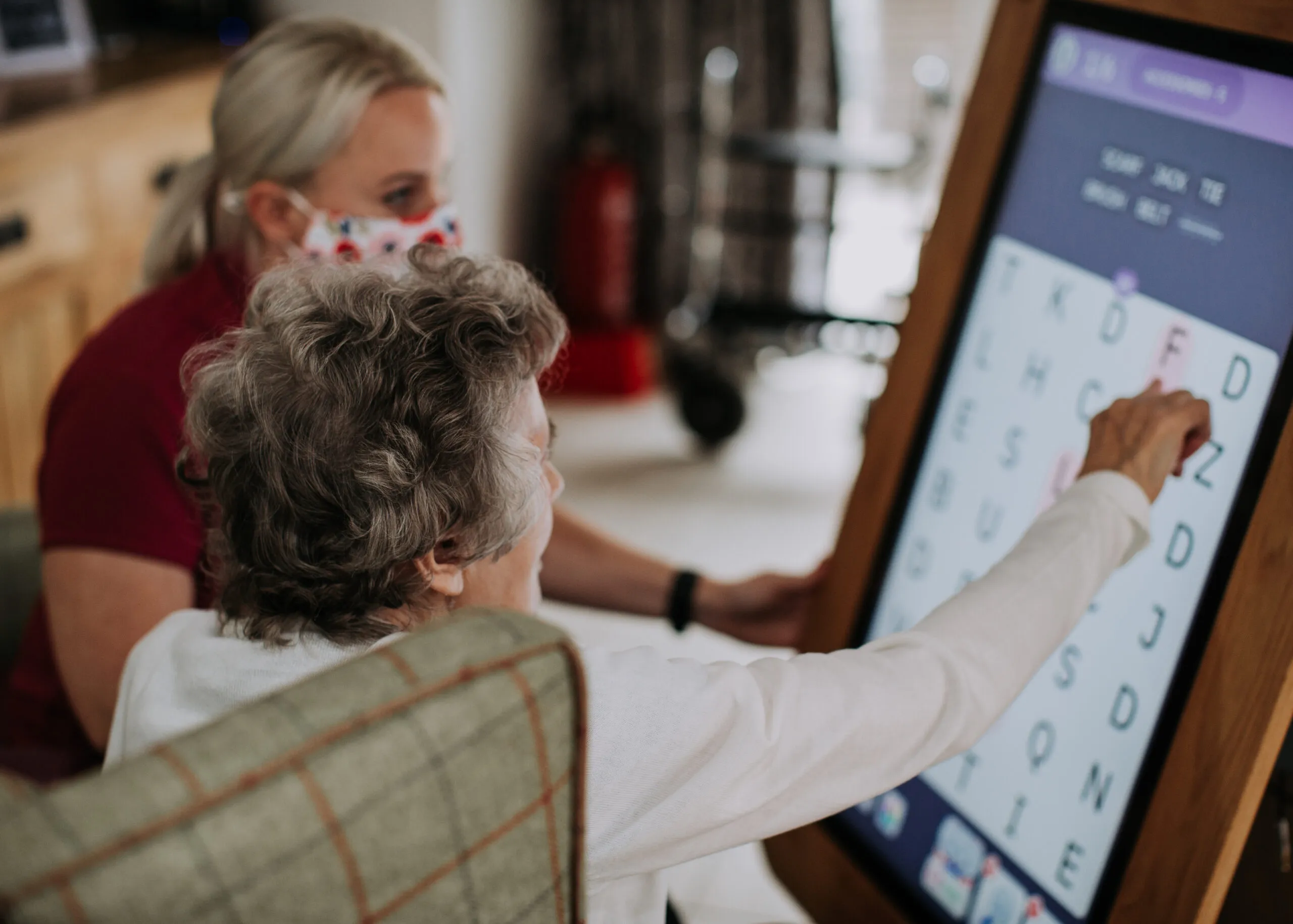
There is rarely a single moment when the answer becomes obvious.
For most families, the decision builds slowly. A series of difficult nights, near-misses and conversations that are hard to finish. If you are reading this, you are probably somewhere in the middle of that process. This article will not tell you what to decide. But it will help you see your situation more clearly.
Why This Decision Feels So Hard
Most families do not struggle to notice that things are changing. What they struggle with is the gap between noticing and acting. That gap is filled with guilt. With loyalty. With the instinct to keep someone you love close, even when keeping them close is no longer keeping them safe. What we see at Hale Place, and what families tell us looking back, is that this decision is rarely about giving up. It is almost always about getting ahead of a situation that has become unsafe or unsustainable, and finding a way to be present as a family member rather than an exhausted carer.
"We kept telling ourselves we would manage another few months. Looking back, we were running on empty long before we looked for care. What changed everything was realising Mum was actually calmer and more herself here than she had been at home in over a year." — Daughter of resident
Signs That It May Be Time
These are not a definitive checklist. Every person with dementia is different, and every family's circumstances are different. But these are the patterns we see most often when families come to us having finally made their decision.
Safety has become a daily concern
This is usually the tipping point.
Not a gradual worry, but a specific incident, or a cluster of them, that makes it impossible to look away. Wandering is one of the most common. A person with dementia may leave the house at night, or become confused in a familiar environment. Falls are another. Forgetting to eat. Leaving the hob on. Taking medication incorrectly or not at all. None of these, in isolation, is necessarily the moment. But when they start happening regularly, or when you find yourself waiting for the next one, the level of supervision required has likely outgrown what can be safely provided at home.
You are no longer sleeping
This one is rarely talked about, but it matters enormously.
Carer fatigue is cumulative. When you have not slept properly in weeks because you are listening for movement in the night, your own health begins to deteriorate. And the quality of care you can provide deteriorates with it. This is not a failure. It is simply the reality of what advanced dementia requires.
"When families come through the door for the first time, we can often see it in them straight away. The tiredness, the worry, the guilt about even being here. One of the first things many of them say is that they have not had a proper night's sleep in months. That tells us a great deal about where things have got to." — Hale Place
Personal care is causing conflict
Many family carers manage bathing, dressing and continence care with great dedication. But as dementia advances, the person may no longer understand what is happening and may resist or become distressed. This causes considerable suffering on both sides, and it does not improve over time. Experienced dementia carers are trained to approach these moments in ways that reduce anxiety and preserve dignity. It is a skill that takes significant time to develop, and it should not be expected of someone who is already carrying everything else.
They are becoming isolated at home
One of the things that surprises families most after a loved one moves into a care home is how much more social they become. At home, particularly in the later stages, the world tends to shrink. Outings become harder. Visitors become less frequent. Days become very long. A specialist dementia environment offers structured activity, peer connection and staff who understand how to engage someone whose communication has changed.
Your own health is suffering
You matter. Your health, your relationships, your ability to function are not secondary concerns.
When a family carer reaches the point of physical or mental exhaustion, the person they are caring for suffers too. Recognising that you have reached your limit is not the same as abandoning someone. It is an honest assessment of what sustainable care actually requires.
What About Waiting a Bit Longer?
Sometimes waiting makes sense. The early stages of dementia can often be managed well at home with additional support in place: help with meals, medication management, or a regular carer visiting during the day. If you have not yet explored those options, they are worth considering first. But there is a version of waiting that is not really waiting. It is hoping that things will not get worse. Dementia is progressive. Needs will increase. The question is not whether specialist care will eventually be needed. It is whether you are in a position to make that choice thoughtfully, or whether you will be forced into it in a moment of crisis. Families who visit Hale Place before they are certain they need to are almost always glad they did. It takes the pressure off. You get to make the decision at your own pace.
Ready to Have the Conversation?
There is no obligation and no pressure. Sometimes the most useful thing is simply a conversation with someone who understands what you are going through. We offer relaxed, no-obligation visits at Hale Place. You are welcome to bring your loved one along, and we are happy to talk through your situation before you make any decisions at all.
Call us: 01622 872 177 or 01622 871 081
Email us: enquiry@haleplace.co.uk
Visit us: Hale Place Care Solutions 79 Old Road, East Peckham Tonbridge, Kent TN12 5EN
Office hours: Monday to Friday: 9:00 to 17:00 Saturday: 10:00 to 16:00 Sunday: 10:00 to 16:00
For enquiries outside these hours, please contact Danielle at danielle@haleplace.co.uk Viewings are by appointment. Please call 01622 872 177 to arrange.

Hale Place Care Solutions
79 Old Road, East Peckham
Tonbridge
Kent
TN12 5EN