



News & Articles
What Is Specialist Dementia Care?

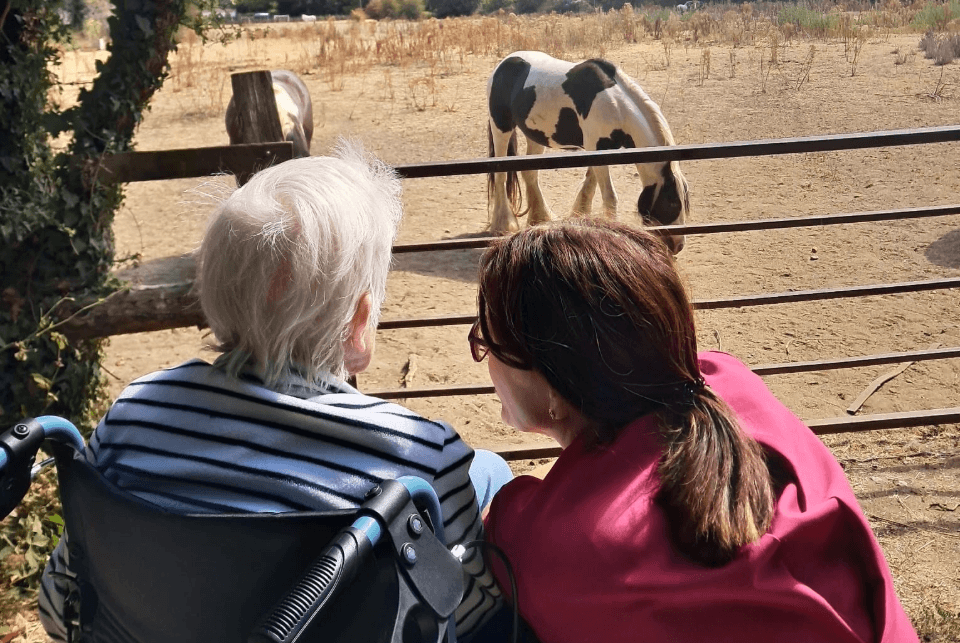
"Specialist dementia care" gets used loosely across the care sector, sometimes meaning very little beyond a marketing phrase. It's worth knowing what it should mean, so you can tell the difference when you're comparing homes.
The short answer
Specialist dementia care is support designed specifically around how dementia affects a person, rather than general elderly care that happens to also accept residents with dementia. That difference shows up in staff training, physical design, daily routines, and how decisions get made about someone's day.
What makes it different from general residential care
Neither type of care is "better" in the abstract. The right fit depends entirely on what someone actually needs, which is part of why a proper conversation and assessment matters more than a label on a website.
Person-centred care is the core of it
The Alzheimer's Society defines person-centred care as support built around someone's interests, history and personality, not just their diagnosis. In practice, that means knowing that one resident finds comfort in gardening and another in music, and building their days around that rather than a generic activity schedule.
The Hale Place team describe it like this:
"Two people with the same dementia diagnosis can need completely different support. One might need company and conversation all day. Another might need quiet and familiar routine. Specialist care means noticing that difference and actually acting on it, not just writing it down in a file."
What specialist dementia care should include
Staff who understand dementia behaviour, not just dementia facts. Training should cover why someone might become anxious in the late afternoon, or repeat a question, and how to respond in a way that reduces distress rather than increases it.
An environment built for orientation, not just decoration. Dementia-friendly design includes things like clear paths between rooms, familiar objects rather than abstract decor, and quiet spaces away from noise and bustle.
Freedom alongside safety. Good specialist care looks for ways to support movement and independence safely, rather than defaulting to restriction because it's easier to manage.
Continuity of relationships. Dementia care depends heavily on staff who know a person well enough to notice small changes early. High staff turnover works directly against this, whatever else a home gets right.
Family involvement that continues after moving in. Specialist care treats families as a source of ongoing knowledge about the person, not just as visitors.
How this works at Farmhouse
At Farmhouse, our dementia care home in East Peckham, this isn't a separate "specialist wing" bolted onto general care. The whole home, and every member of the team, is built around dementia expertise, which is part of why it's been rated Outstanding by the CQC three times since 2015.
Making sense of it for your own situation
Reading about specialist dementia care in general terms only gets you so far. What matters is how it applies to your specific situation, and that's a conversation, not a checklist. If you'd like to talk through what dementia care could look like for someone you love, we're happy to talk it through, with no assumption that you've already decided anything.

Hale Place Care Solutions
79 Old Road, East Peckham
Tonbridge
Kent
TN12 5EN